
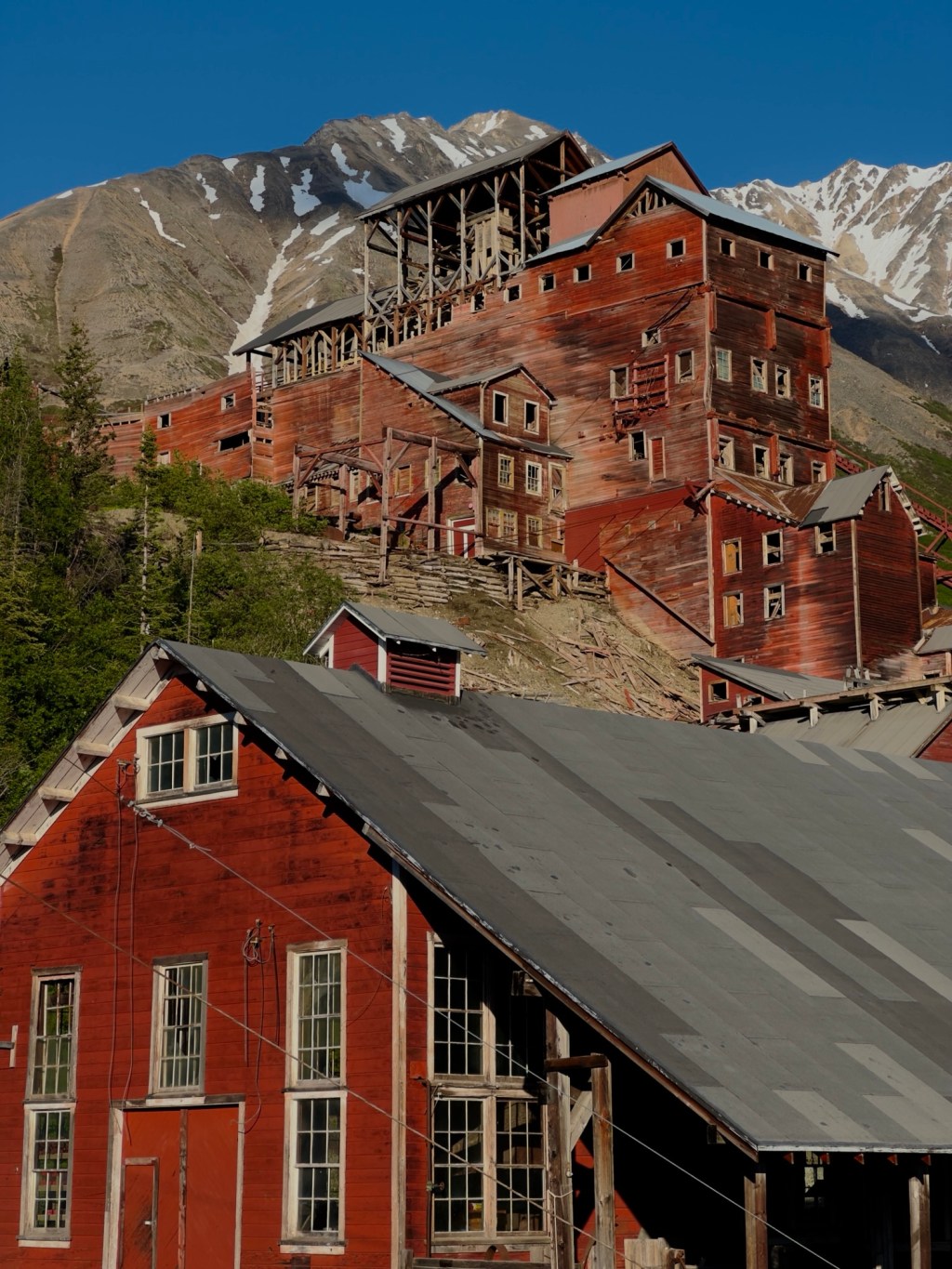
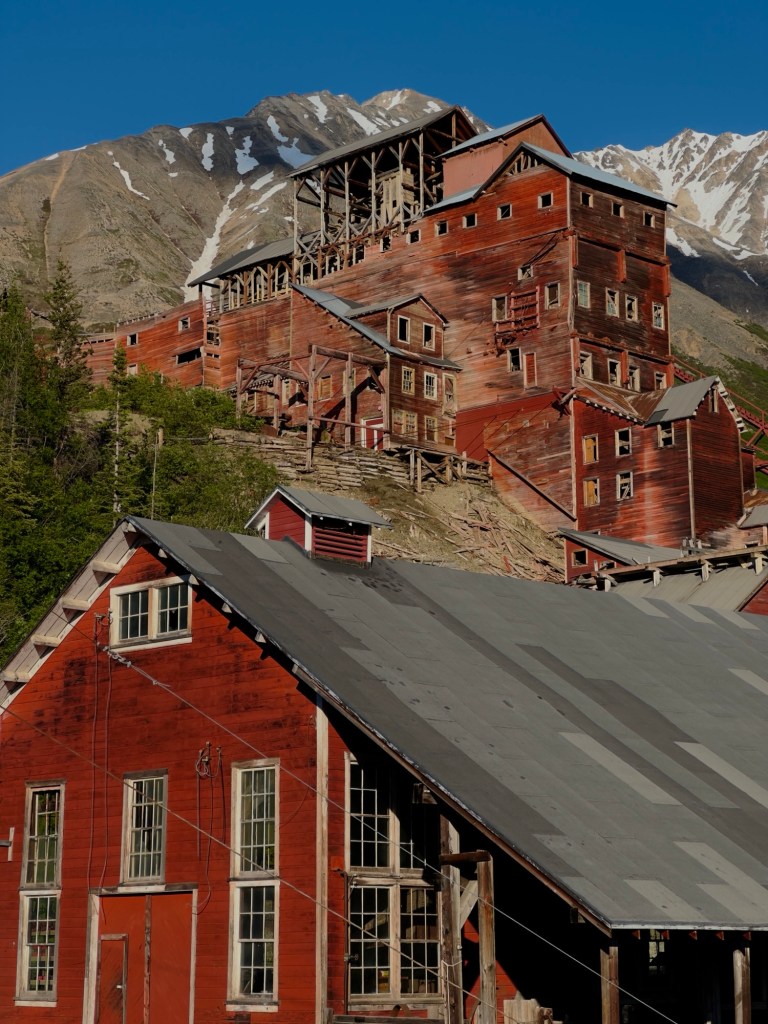
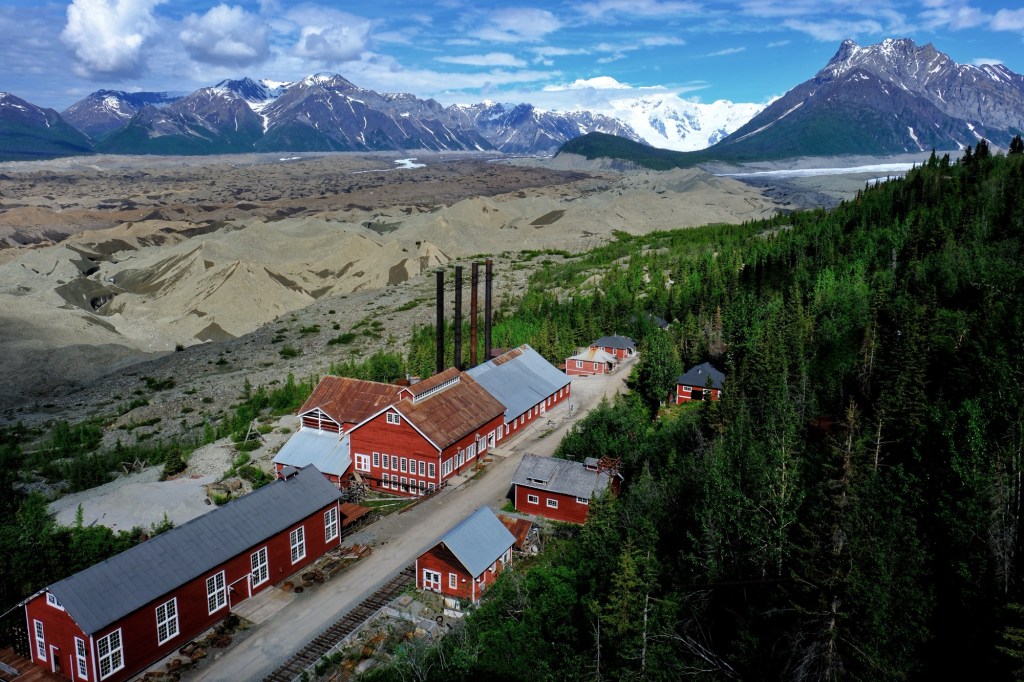
“Do you see green on that hilltop?!?!” I’m guessing that Clarence Warner and Jack Smith said something like that when they discovered Kennecott’s uber rich, high quality, copper deposit. They saw the bright green color of oxidized copper in an exposed ore vein on the top of a mountain and made mining history. Stories say they thought it might be a pasture of grass to graze their animals, hiked up there, and found the copper. But as with all stories, who knows what really happened in the re-telling. It seems kind of preposterous that grass would grow way up there, I’m just sayin’. What we do know is a 28-year old New Yorker, Stephen Birch, looking for investment opportunities on behalf of a wealthy family, got title to the richest vein of high quality, almost pure, copper found in U.S. history.
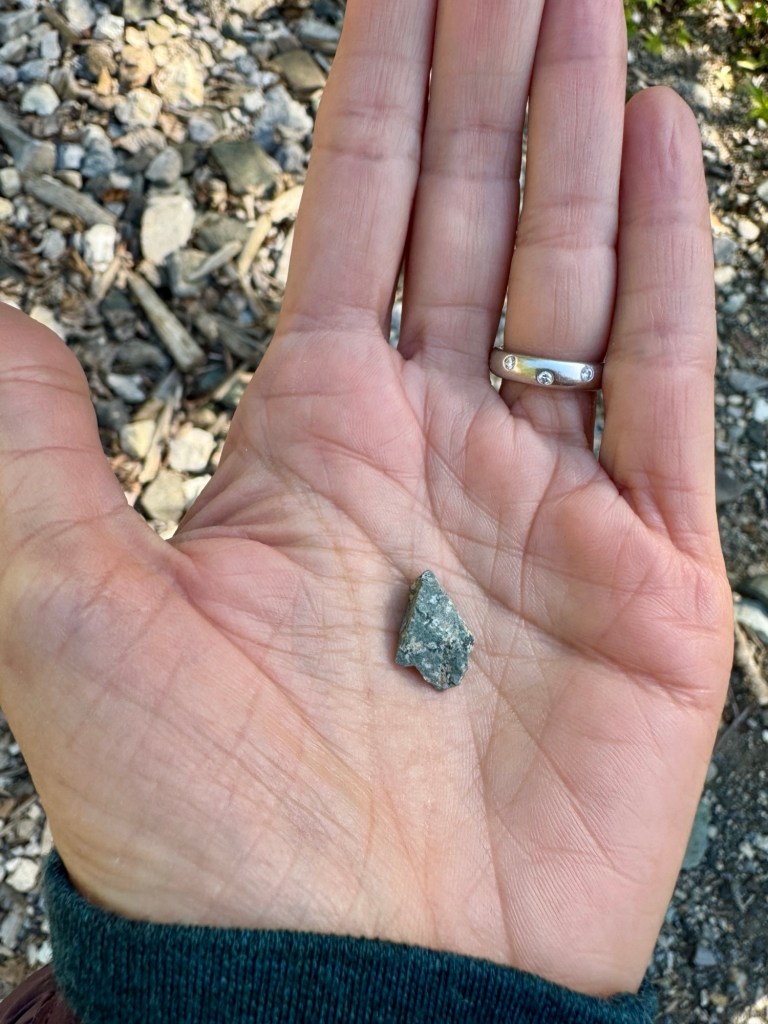
Before I inundate you with facts and information, let me summarize what happened here in the 27 years the mines and mill were operational. It is first important to know that the copper ore was mixed in with worthless limestone.
Here we go:
- blast the rock
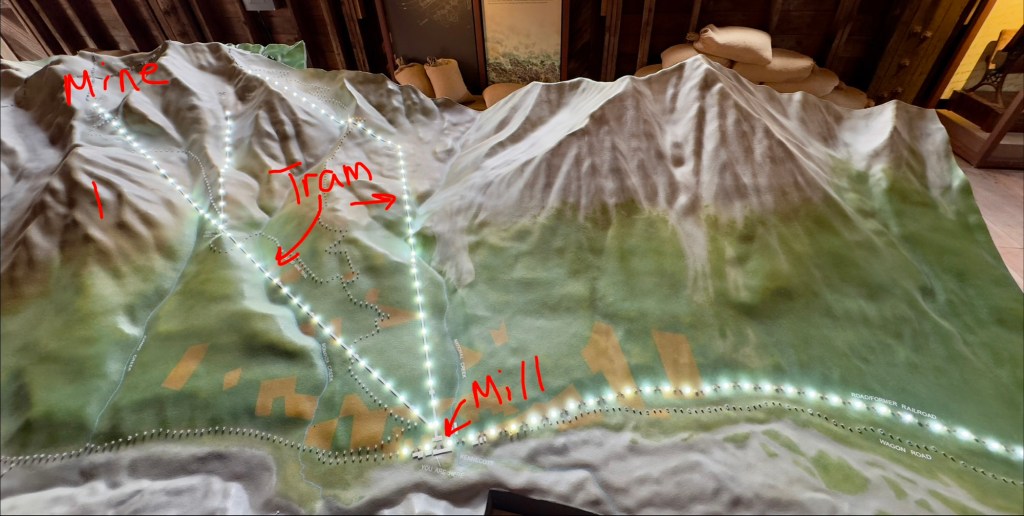
- transport it by aerial tram
- crush it, crush it, get the Grizzly Men to do there best Thor impersonations and crush what didn’t fit into the sorters using sledgehammers
- separate the crushed rock by size, and do that again two more times
- now shake it, shake it, and shake it once more.
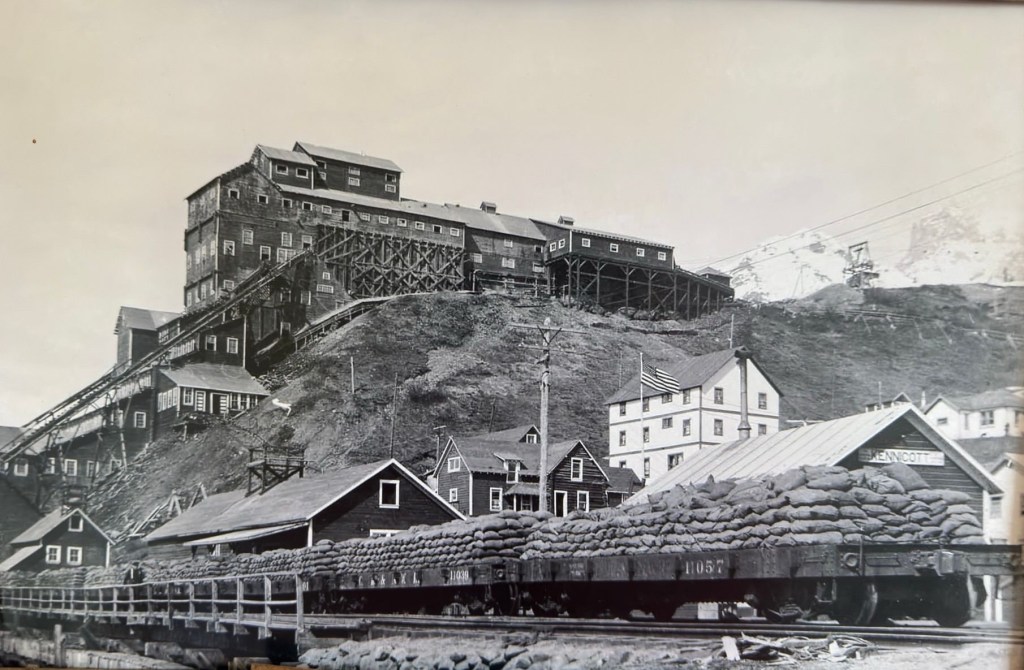
- After you were done with all that, the copper was bagged and placed on the train to move out.
But that wasn’t quite enough. Pure copper ore is so rare, they took the sandy gravel that was left, soaked it in big tanks with ammonia and extracted the copper that sank to the bottom (Note: copper is heavier than limestone). If you’ve ever been on a wine tour where they use gravity to process the grapes to make the wine, this whole mill process is somewhat similar, but doesn’t smell as nice.
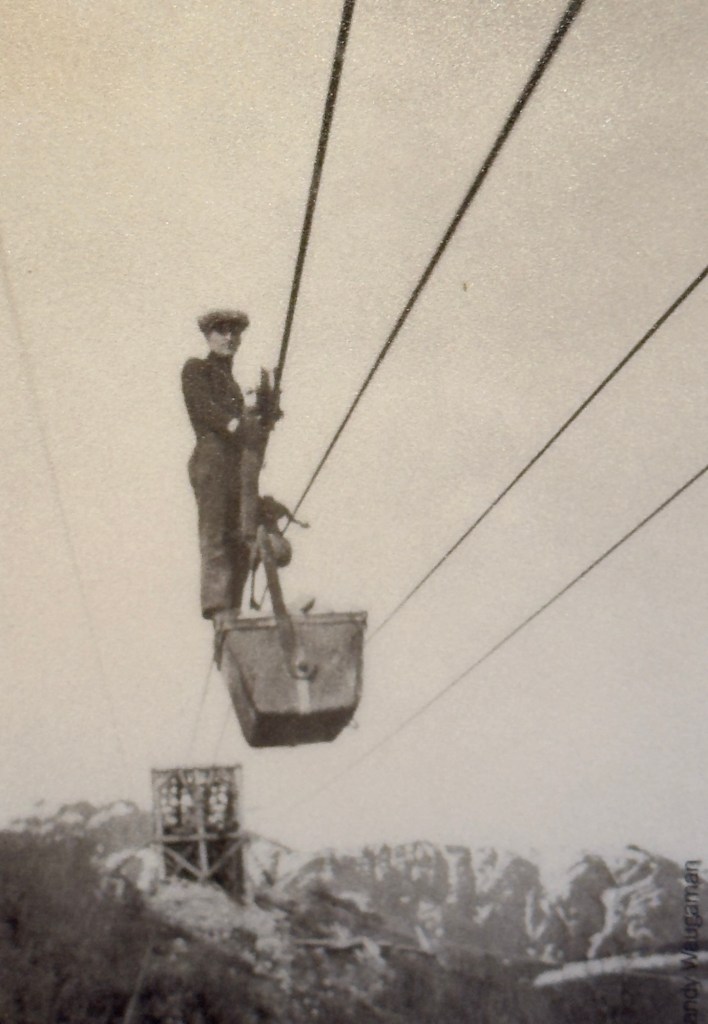
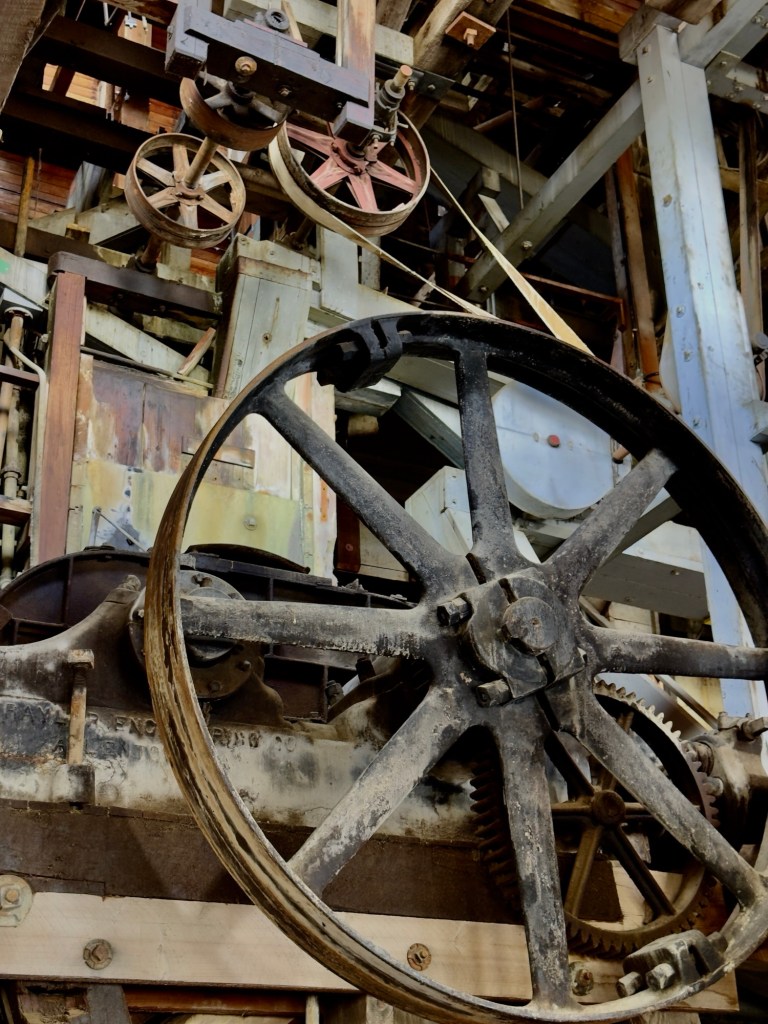
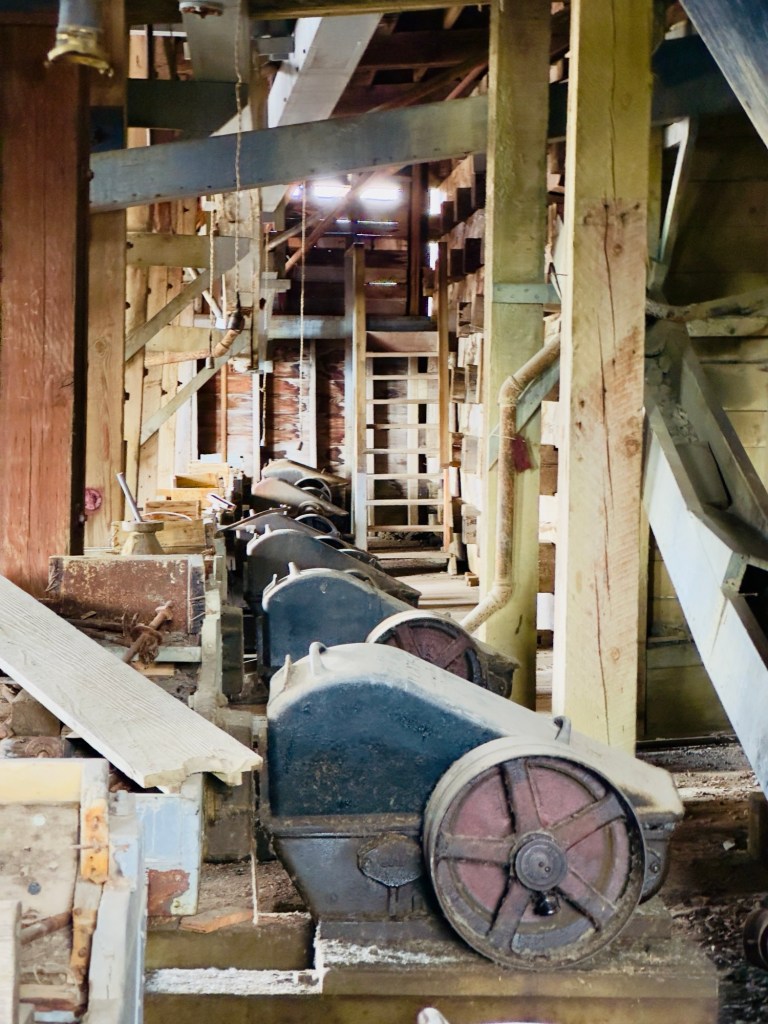
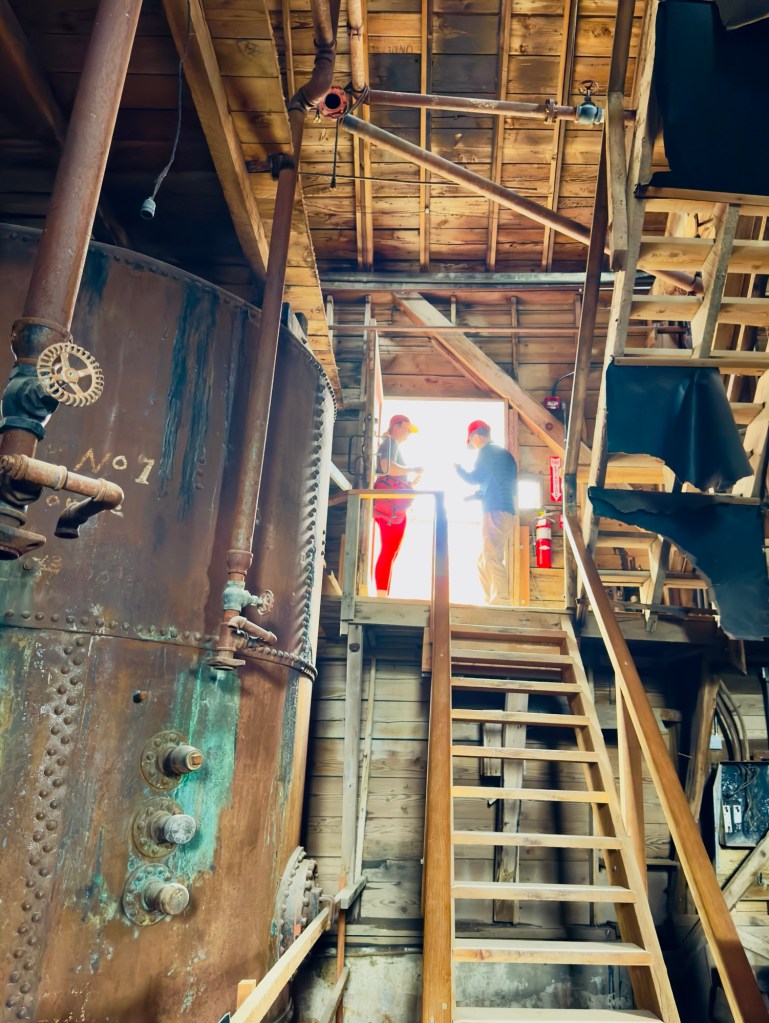
Ok, onto facts – about 77 miles of underground tunnels were blasted into the mountains to retrieve the 4.6 million tons of ore from 5 mines. Three miles of aerial trams delivered the ore to the 14 story mill, which ran 24 hours a day 363 days a year (the 600 miners and mill workers got Christmas and 4th of July off). This is where I pause to remind you that they were working throughout the winter. At times temperatures could reach -50 degrees Fahrenheit. Most workers lasted 13 months, or probably 1 winter and then decided they needed a change.
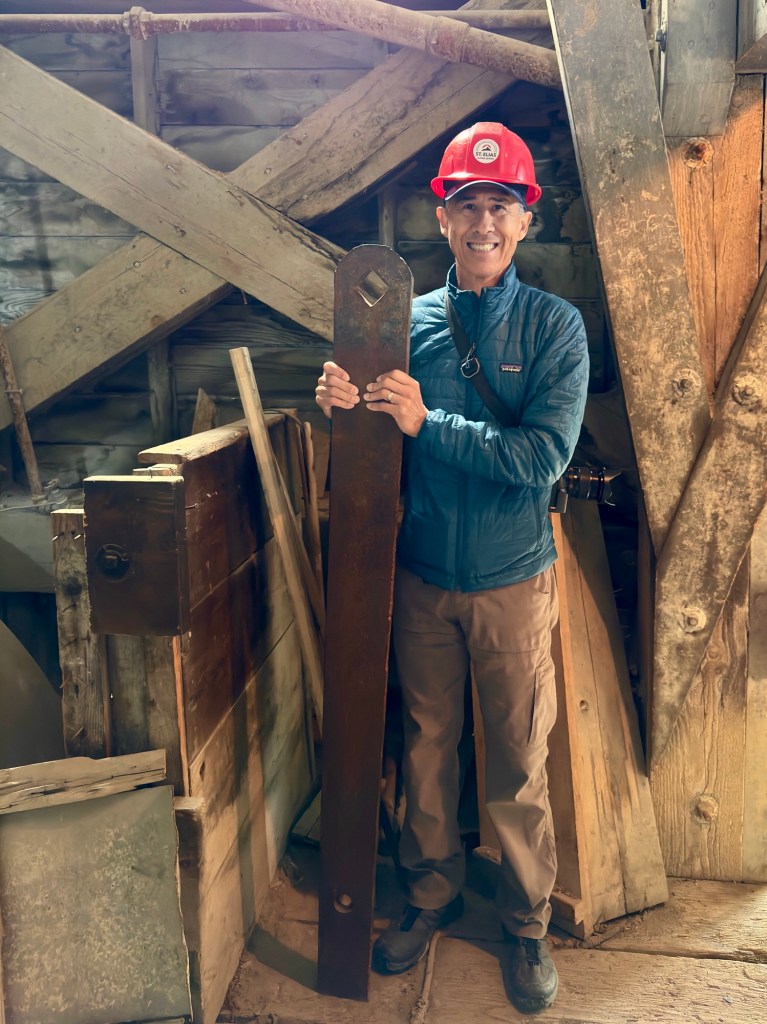
One last thing about the mill. The entire 14-story wooden building was shaking, like a 7.2 earthquake, from all of the heavy machinery crushing, sorting, and moving tons of rock. The building would start to come apart at the seams. The solution you may wonder? Wrap the interior of the building with heavy- gauge steel cable and winch it together with a 100 pound, 6 foot metal key. No, I’m not making this up…I’m having an atypical moment of seriousness.
It took only 27 short years to take all the high grade copper away from these mountains. In 1938 the price of copper dropped 50% during the 1937-38 recession. The owners shut down operations, gave people 1 day’s notice to leave, and transported out only the most expensive equipment, the rest stayed. Well, until the people of McCarthy, decided to treat the Kennecott company town like a Home Depot and Walmart and took what they needed to improve their lives. I guess that’s fair, people say you could hear the noise from the mill 4 miles away in McCarthy….24 hours a day, 363 days a year.
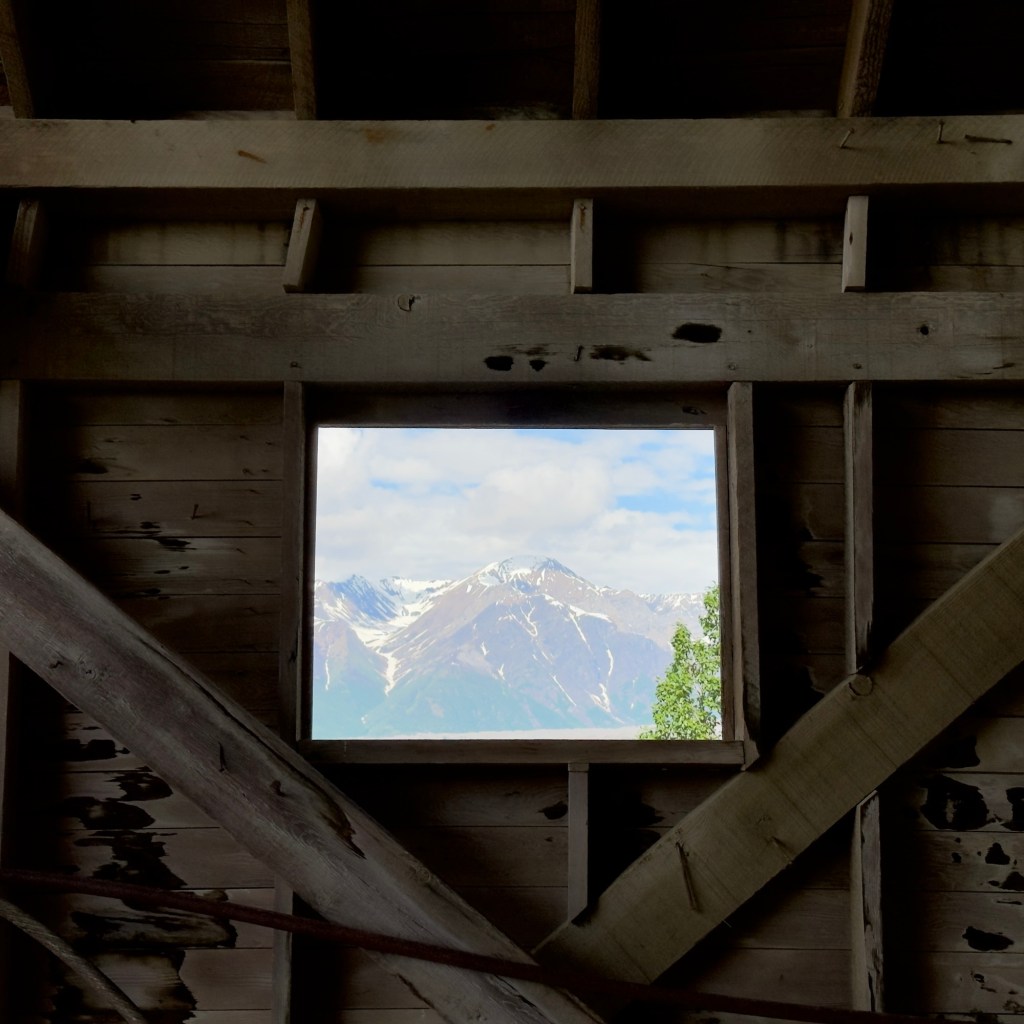
It is interesting to ponder all the engineering feats that were made to mine and transport the copper out of this remote place. In just four years, they built a 196 mile railway over rivers, mountains, and moving glaciers; they built a 14 story gravity-driven mill to process tons of rock; and they even had the best hospital in the Alaska territory with the first x-ray machine.
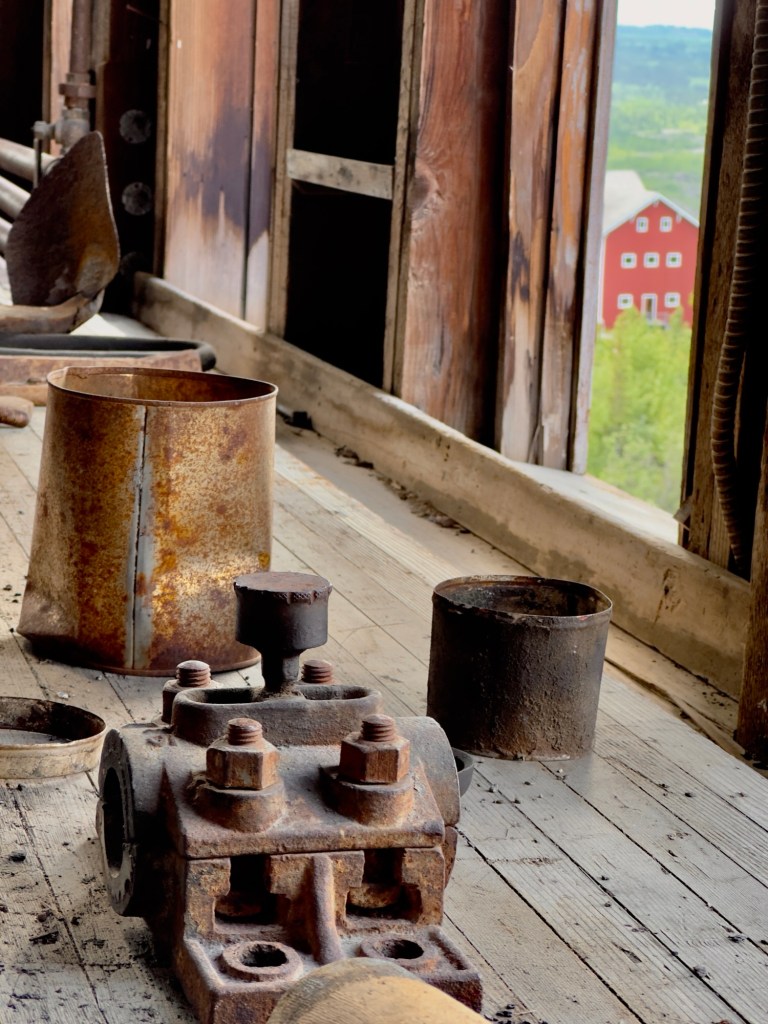
It’s mind-twisting to think about the ingenuity, discipline, and commitment of humans, especially in the face of extreme conditions.




Leave a comment