
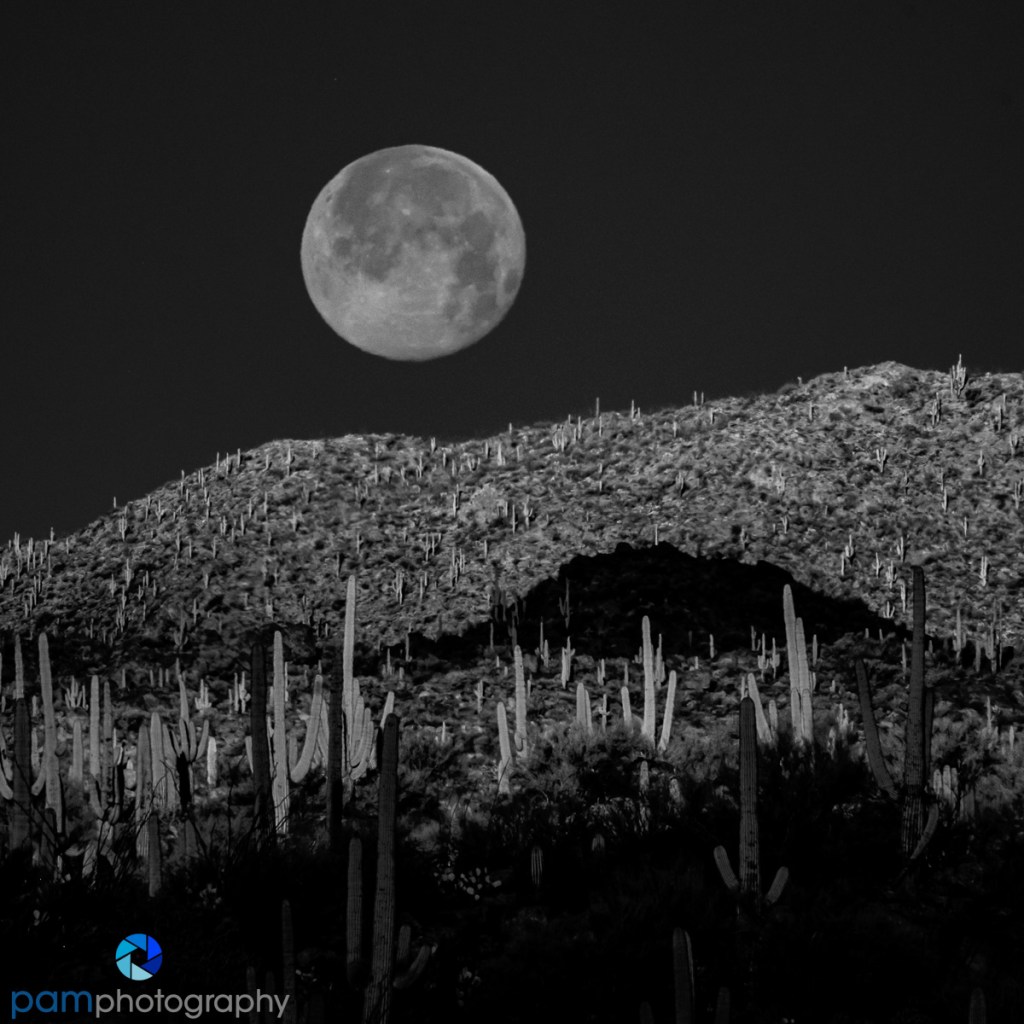
When I was a small child, I wanted to be an astronaut after watching Neil Armstrong and Buzz Aldrin walk on the moon. After a while, the math and engineering requirements brought me back to reality. I have always been fascinated with the moon. I plan to photograph the moon every month and have done so for many years. Here is how I do it and how you can do it too.
It always starts with a plan. I use two apps to plan my monthly moon shoot: LightTrac and Sun n Moon. LightTrac tells me where the moon and sun will appear at any time based on my location. Sun n Moon tells me sunrise and sunset and moon rise and moon set times for any location. Since I live in a valley surrounded by two mountain ranges, I make dead reckoning adjustments based on these times (I could use an ephemeris, too). These apps are especially handy when you are at a unfamiliar location.
The best day/time to photograph moon rise and moon set is when the sunrise and sunset is at the same time, i.e. sunset is at 7 PM and moonrise is at 7 PM; sunrise is at 6 AM and moonset is at 6 AM. This will happen either the day before the full moon, full moon day, or the day after full moon. You will find that sometimes it is too dark and you can not see any foreground, and sometimes, it is just too bright, and the moon disappears into a bright white sky. I usually plan to photograph at least two days a month.
There are strategies to deal with these options and plenty of creative options to make a moon photo with what the universe gives you.
First, I usually like to shoot a full moon, but often times when we are out and on the road, it is not full moon time and you just need to shoot the mon as is. Here are a few examples.
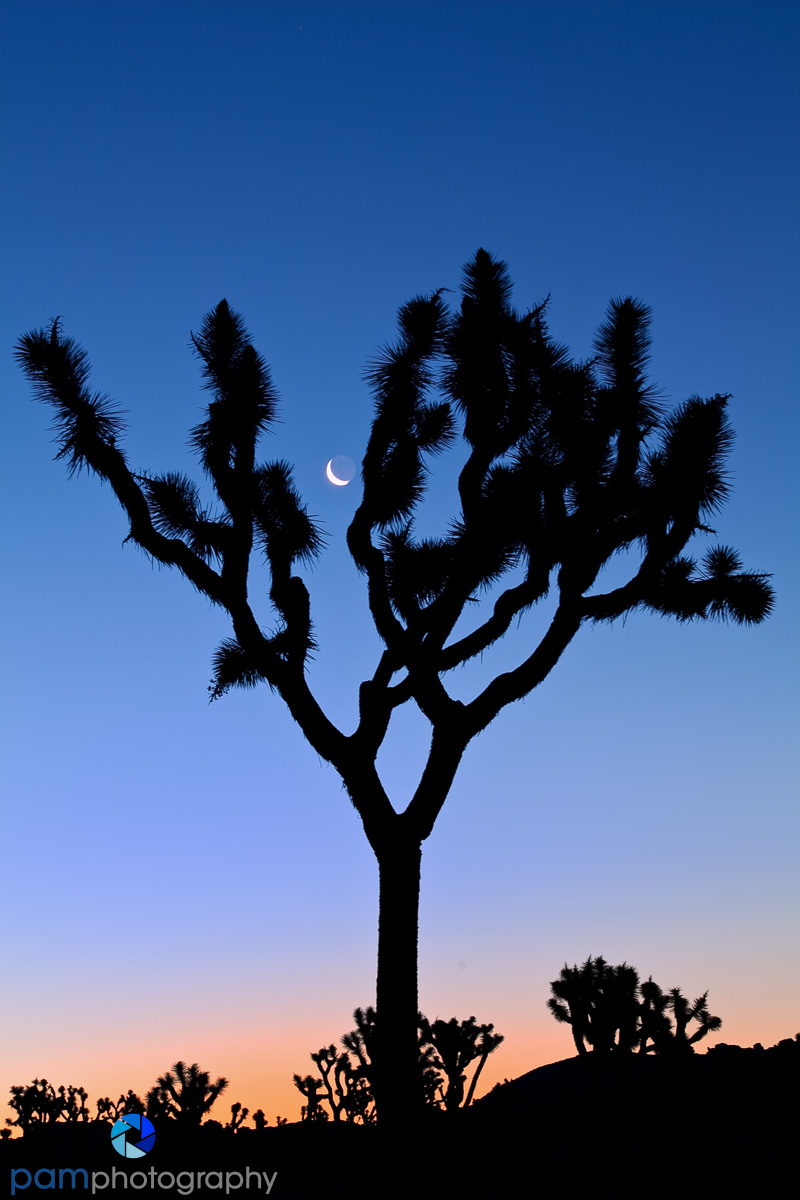


There are times, I just want to or all I can shoot is the moon without a foreground or other subject available. Best to have a telephoto here and I use a 100-400 mm with a 1.4x or 2.0x extender.


I am very fortunate that I live in a location that I can shoot moonset right outside my house and my front yard is the Sonoran dessert. If it is too bright, I shoot infrared and convert the image to a monochrome black and white.
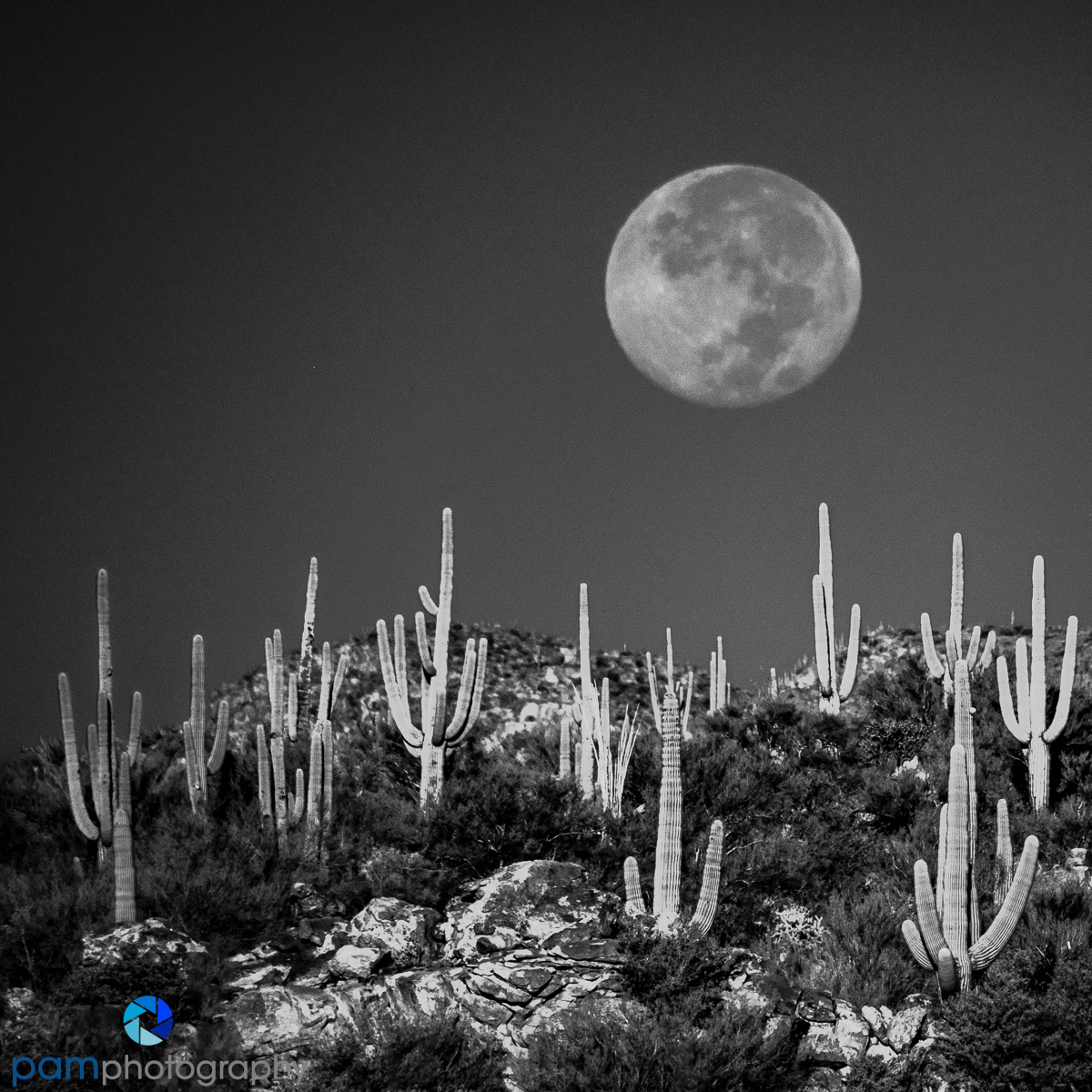
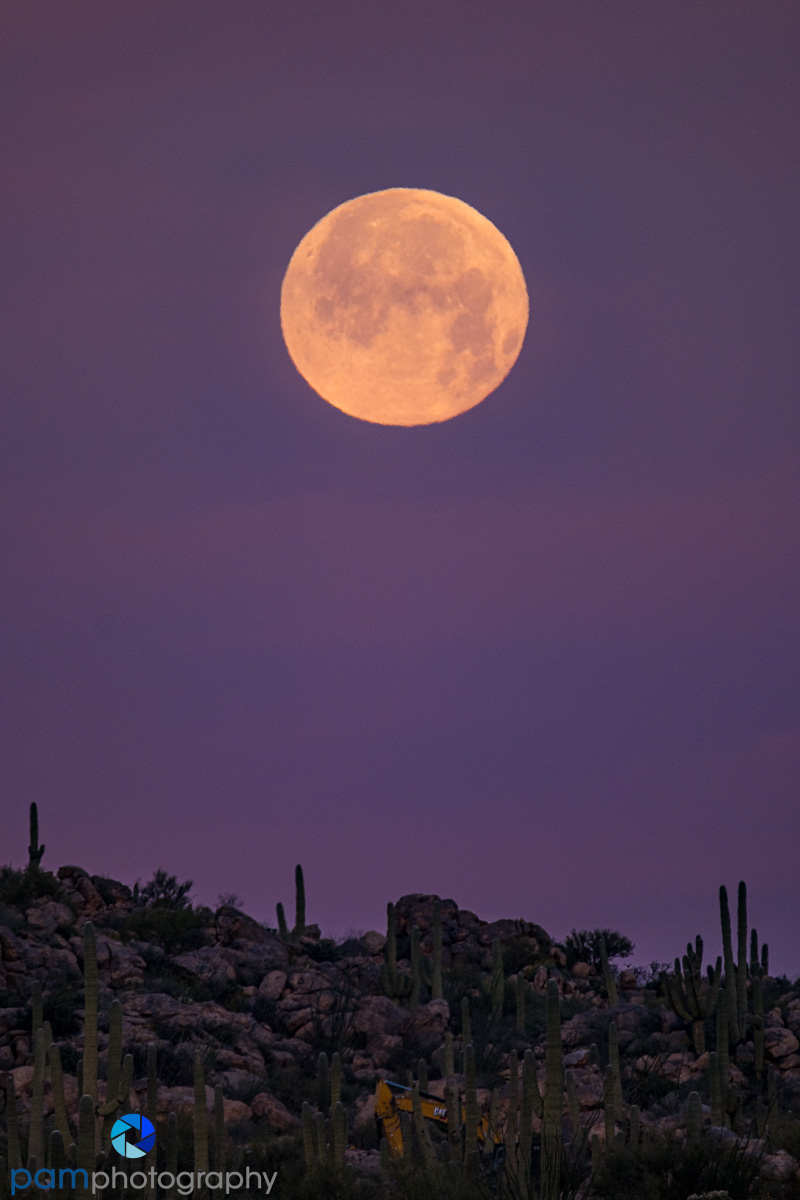

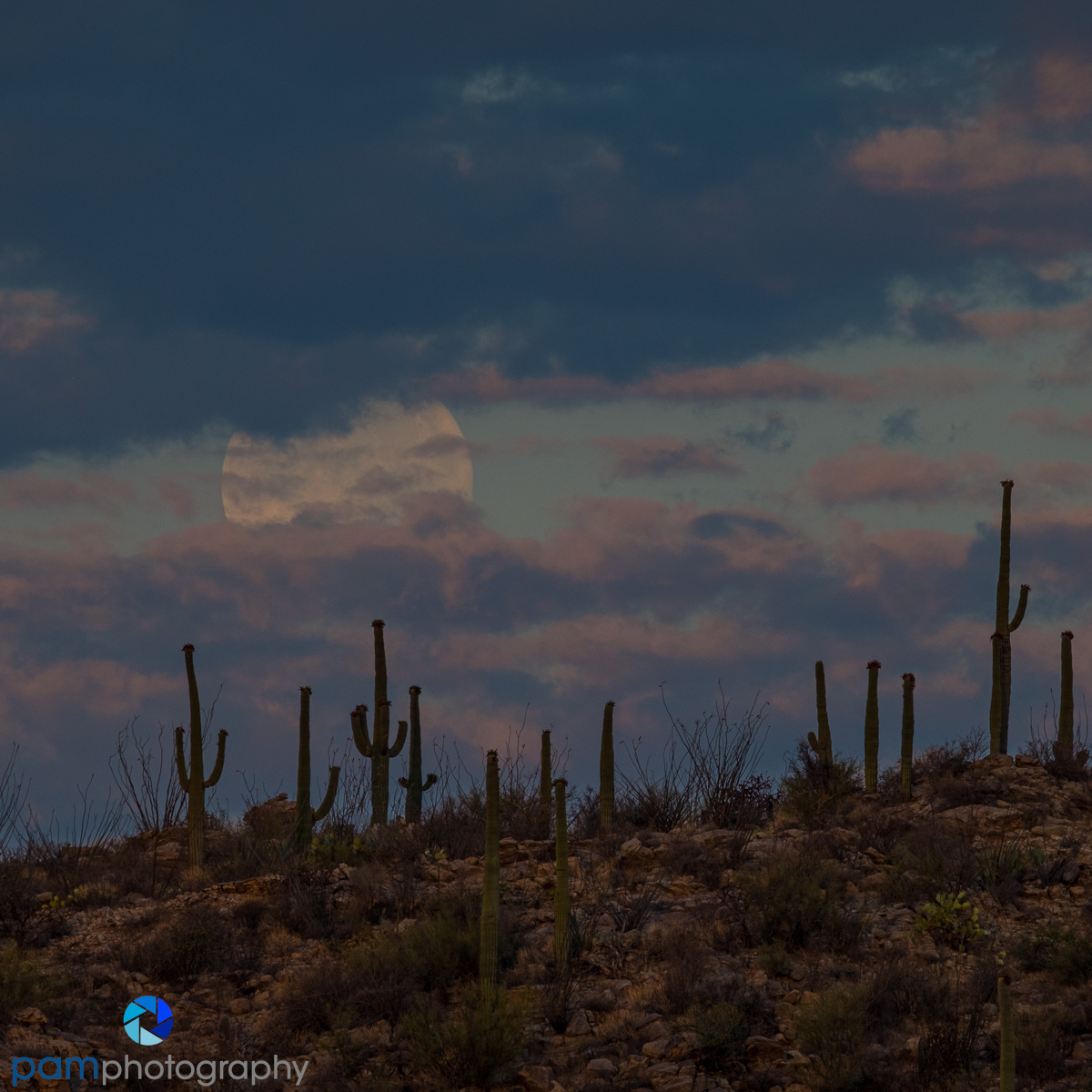

My favorite and most challenging shot is to incorporate the moon into a landscape composition that you would want to shoot anyway and the moon just adds a very special element.

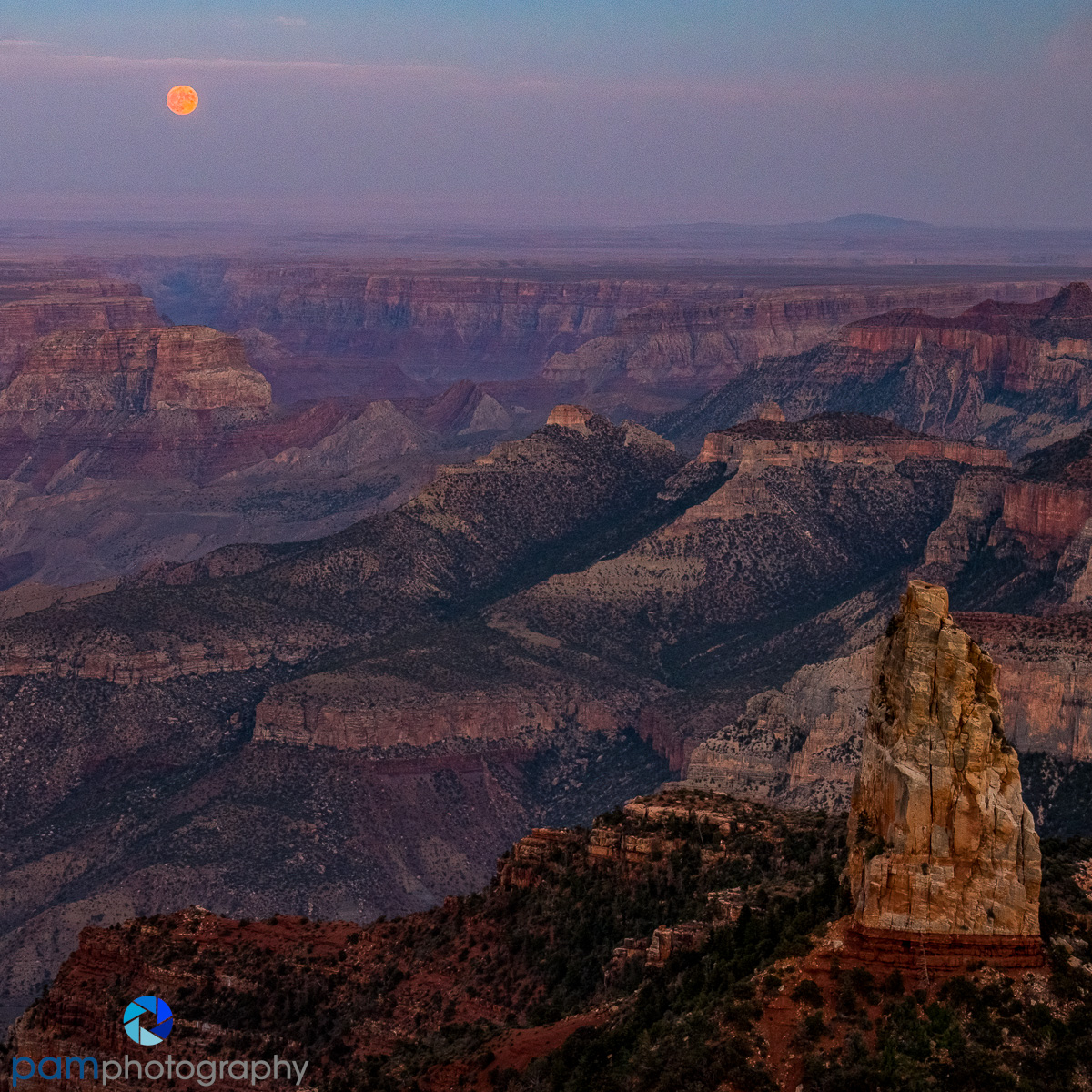


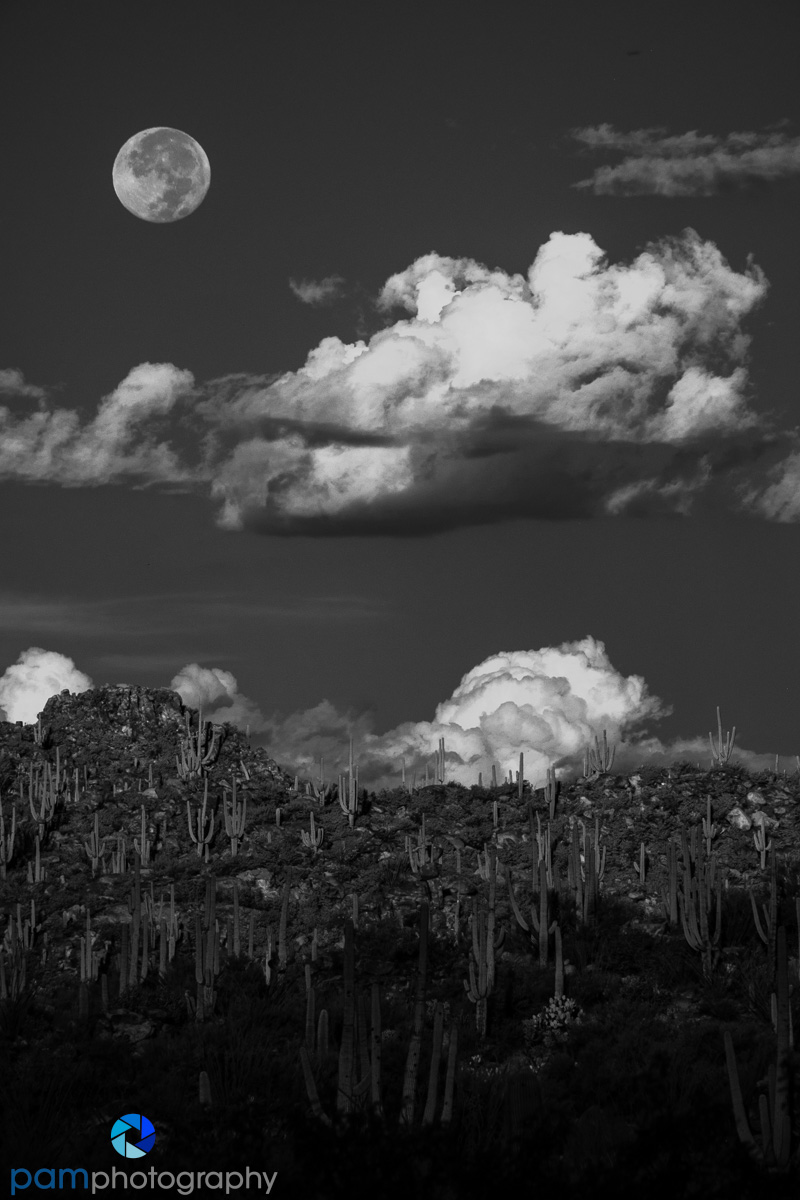


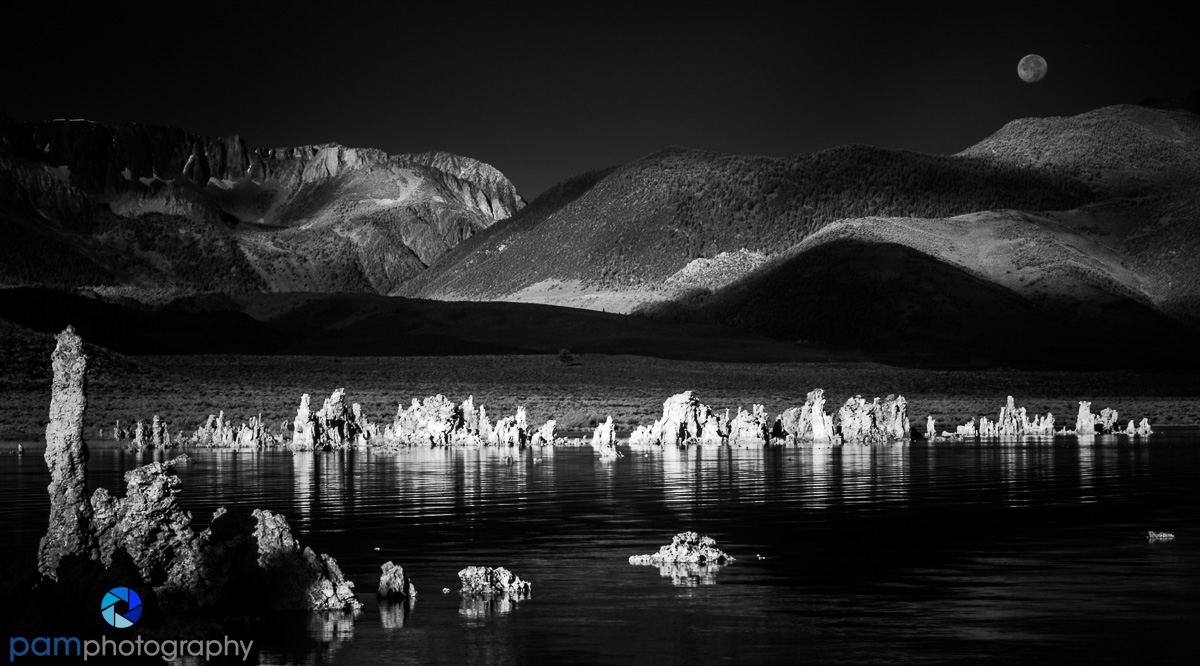


The last photo is a moon eclipse over the Huntington Beach Pier in California. All of these landscape photos were planned well in advance using my apps. Some of them were quite relaxing as we waited around for the moon to appear. A few of them were quite frantic as we chased the moon from location to location. The monochrome of the tufas at Mono Lake was a very memorable shot as were were literally running with our tripods and cameras to capture that image before the moon set behind the mountains.
Here are a few more tips: Always use a tripod, both for composition and to keep the camera steady. Also use your self timer or a cable release to limit camera shake and avoid blurry images. Speaking of blurry images, your shutter speed has to be at least 1/125, though I prefer faster, at like 1/250. Finally the landscape photos were made with a 18-135 mm mostly at a wide angle. The photos with the desert saguaros were made with a 55-200 mm all the way out to 200mm which compresses the front to back landscape and really makes the moon appear large.
To see more of our photos and to buy our photographs, please go to www.pamphotography.com and check out more of our photos on FLICKR.

 pamphotography
Leave a comment