

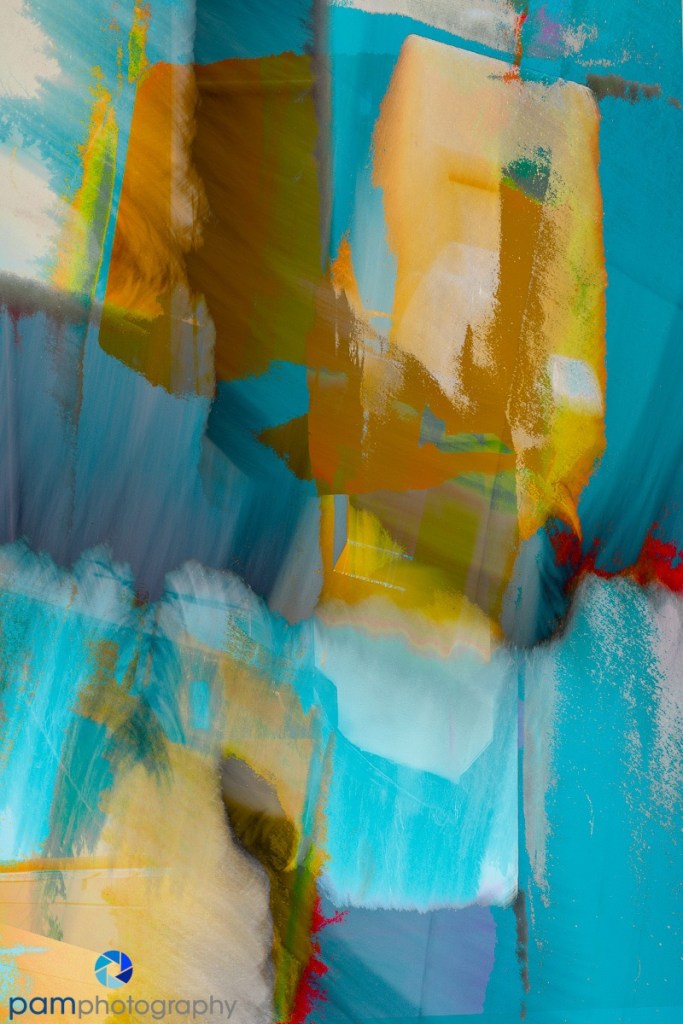
I’ve been searching for awhile for a way to re-invigorate my creative photography. Last year I signed up for a variety of different classes. It was the last class, Intentional Camera Movement with Stephanie Johnson (hosted via Camversation – you can rent a recorded copy for a very low price) that created the spark I needed.
I attended the class while I was in Yellowstone National Park last year. I practiced the techniques as I spent hours waiting for geysers to erupt (because as usual Peter had me there “in plenty of time”. While I thought ICM was just a matter of moving the camera while the shutter it open, it can be so much more. Variables include:
- The darkness of the ND filter (assuming there is too much light for a slow shutter)
- The length of the shutter speed (I’m finding 1/2 second to be my sweet spot)
- The direction of the movement
- The amount of contrast in the scene
- How much light and dark values you include
- If you are layering multiple exposures then
- The setting for the overlay (light, dark, additive, etc)
- The direction you are turning the camera between each exposure
- How many exposures you are layering (my Fuji does up to 9)
It would be rare that you try this technique and get an amazing shot the first time. Part of the art is seeing what elements become dominant when you create the movement and blur and then trying to position those elements in different parts of the frame the next time you compose the image.
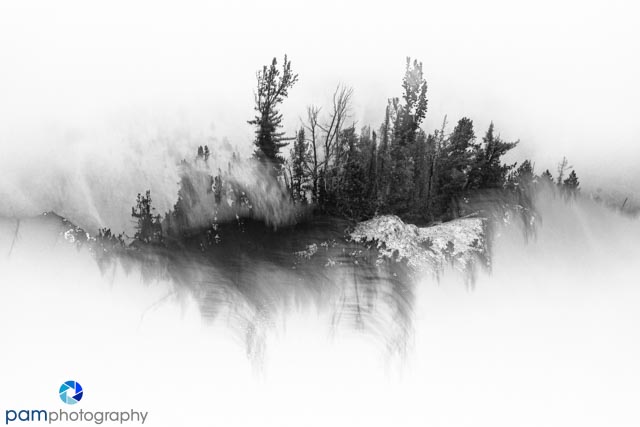
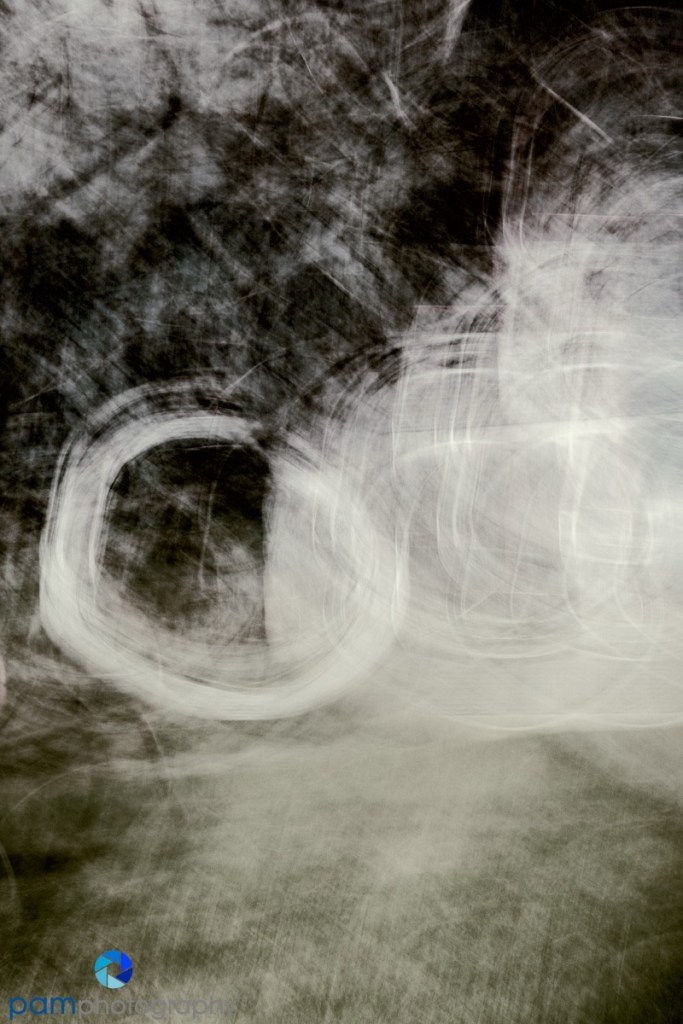
For the image above, I spent an hour and captured over 200 images to get this one. It was done in camera and converted to monotone in Lightroom.

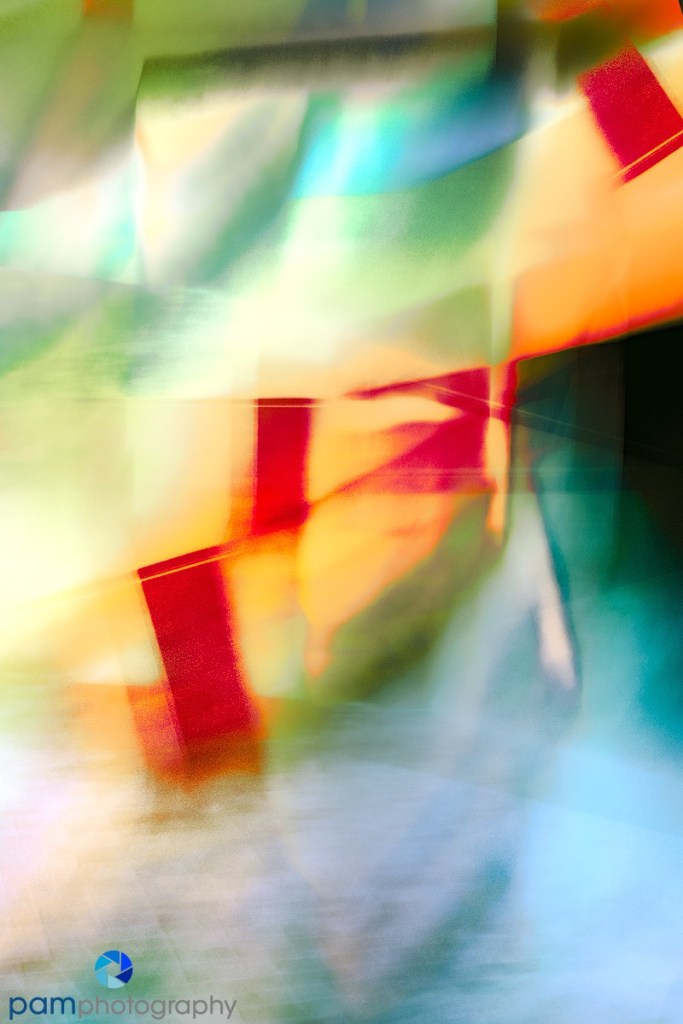
This image was created by modifying the white balance between each exposure. I played with the extremes of warm to cool and find something in between that didn’t create muddy colors.
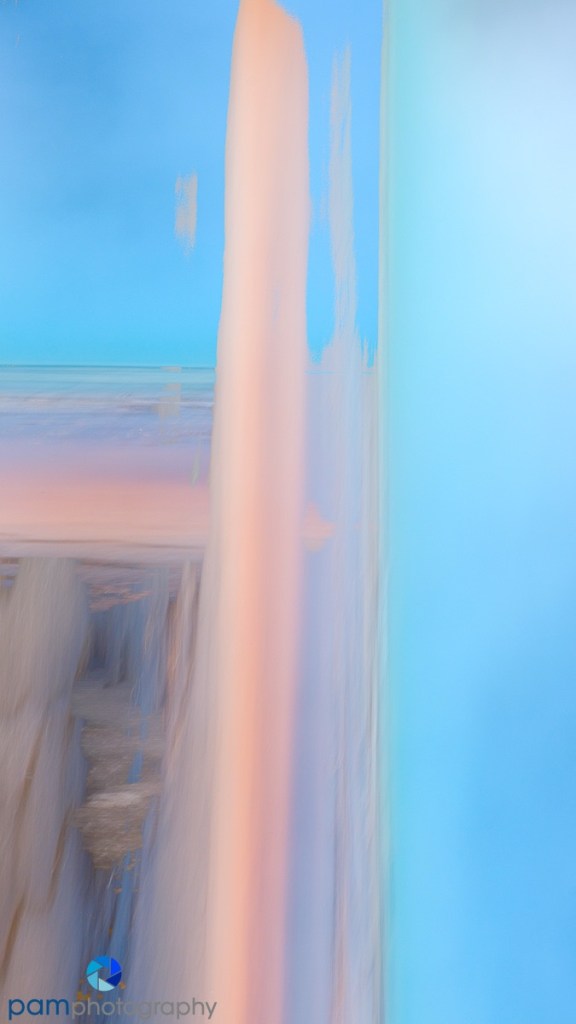
This was an in camera ICM turning the camera in multiple directions. I spent 2 hours at this location and almost filled an entire card
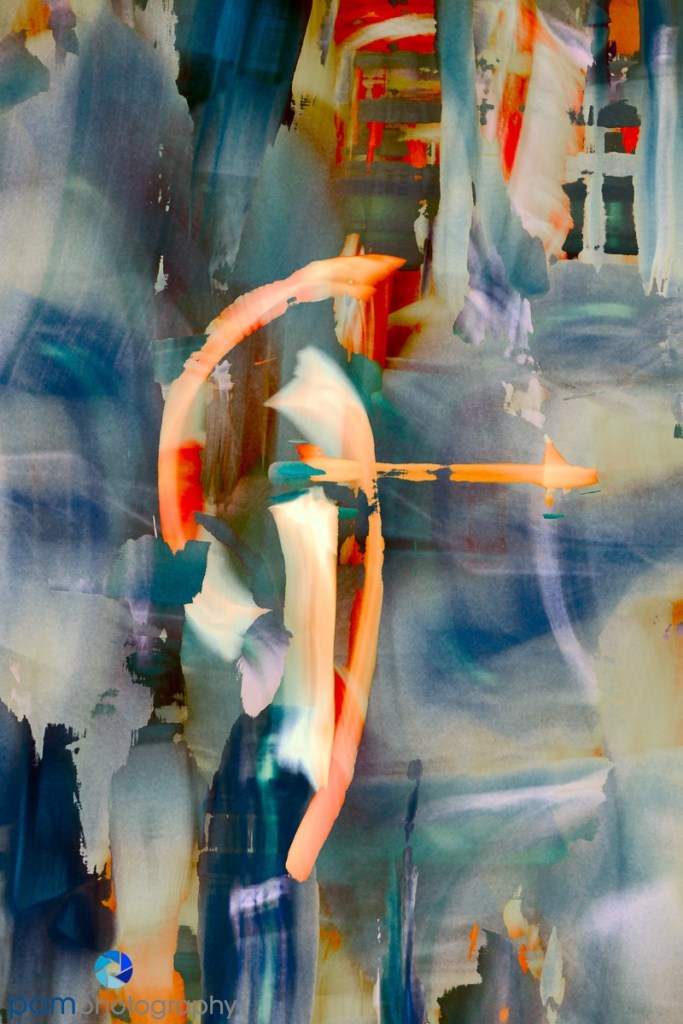
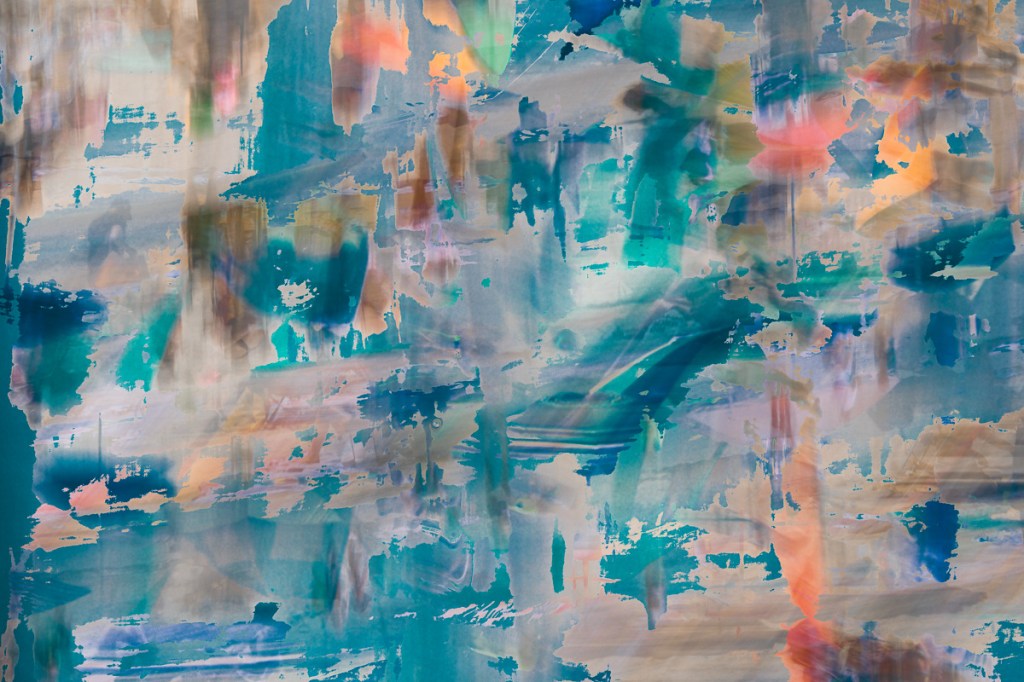
As I continued burrowing down the rabbit hole, I “rented” a previously recorded class from Camervsation from Doug Chinnery. It focused on post processing techniques after you complete an ICM capture. This one image took me almost an hour to process in post using his techniques. There were so many variables and options it was hard not to keep futzing with it. I soon this particular rabbit hole would keep me occupied for many, many months…possibly years.
A sidenote to our subscribers: Next week I will be using this blog for our travel log. We typically use Facebook to share our adventures, but wanted to make our experiences available to a broader group. While we won’t have our “big cameras” on this trip, we hope you will continue to follow us, as we learn about different cultures, history, and most importantly different cuisines.


 pamphotography
Leave a comment