

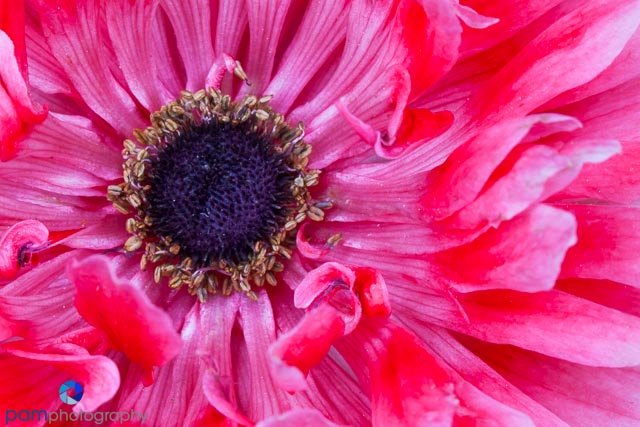
This year I decided to take matters into my own hands…..instead of searching in vain for “natural” wildflowers, I was going to search for “man-made” (or cultivated) wildflowers. Much to my dismay, even man-made wildflowers were challenging to shoot.
I mean really, if you are going to scatter wildflower seeds somewhere, perhaps it can be done in a place that gets some shade during the day and is protected from the wind. I don’t think that’s asking for much. In full disclosure, I spread some seeds in my backyard, and did not consider the above, and found myself struggling with the natural elements – sun, wind, and a dive-bombing hummingbird that happened to build a nest right above my flower patch.
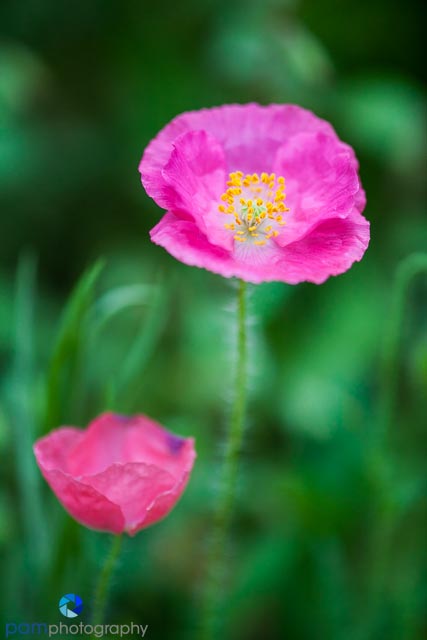
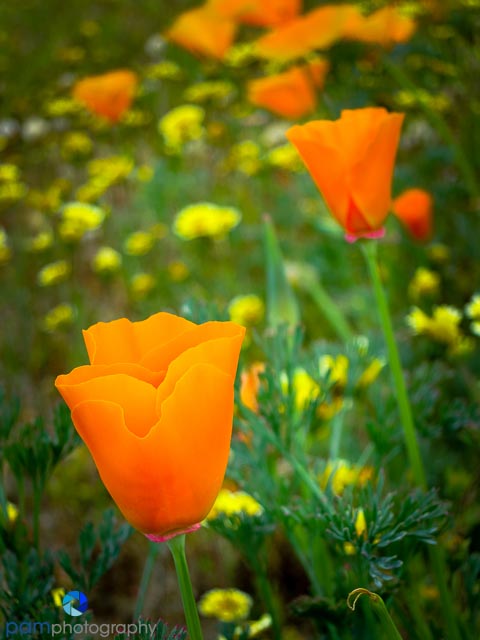
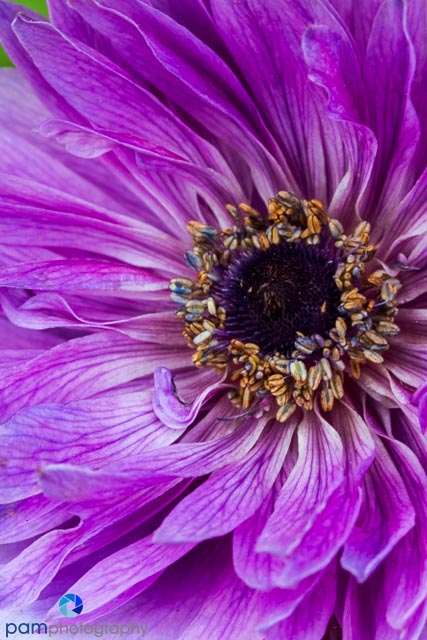
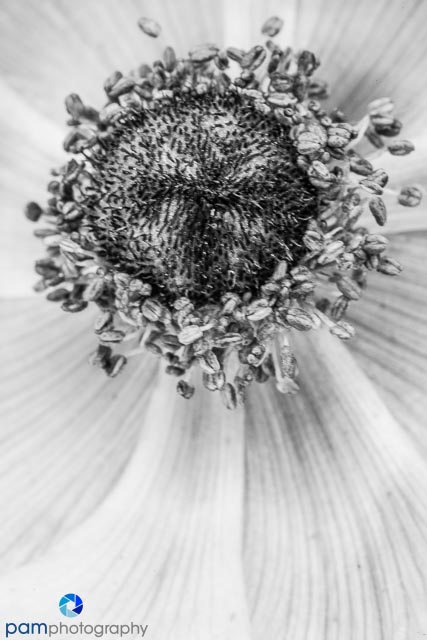
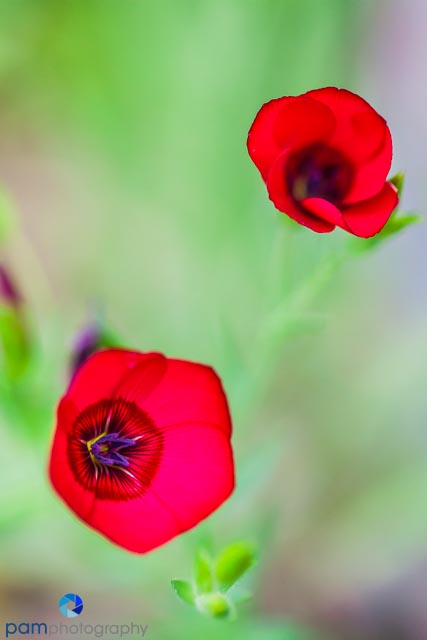
Below are flowers from 3 locations:
- The side of the road near my neighborhood, courtesy of Wildflowering.org.
- The LA Arboretum (again courtesy of Wildflowering.org)
- My backyard
Here are some general tips for where ever you might drop your tripod to photograph wildflowers:
- Set a high ISO to freeze any movement. Wildflowers are genetically adapted to flutter in the breeze to improve their chances of propagation.
- Use a remote trigger. This will stop camera shake when you press the button and allow you to better time when the shutter opens to a lull in the breeze
- Overcast days are the best, if that’s not possible, search for flowers in the shade or create shade with your body, a jacket, or a reflector
- Get close with a open aperture. Wildflower scenes tend to be messy – many do look like weeds. Using a macro to isolate a bloom or two while throwing the background into a blur will contribute to creating a beautiful image.
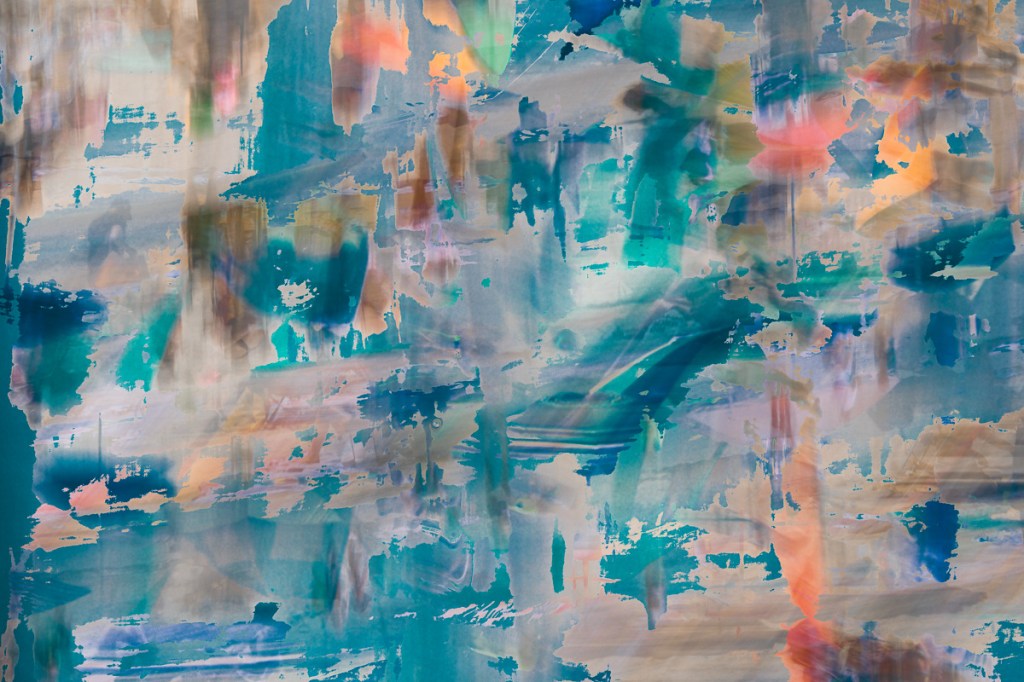
- Look for the ugly. Sometimes beauty can be found in “spent” flowers, those on the downside, or that have gone to seed.
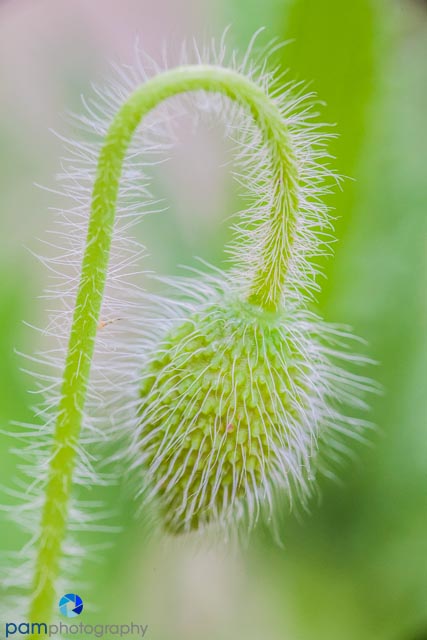
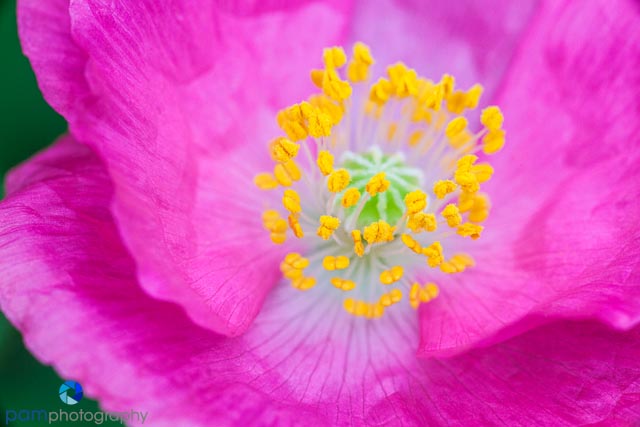
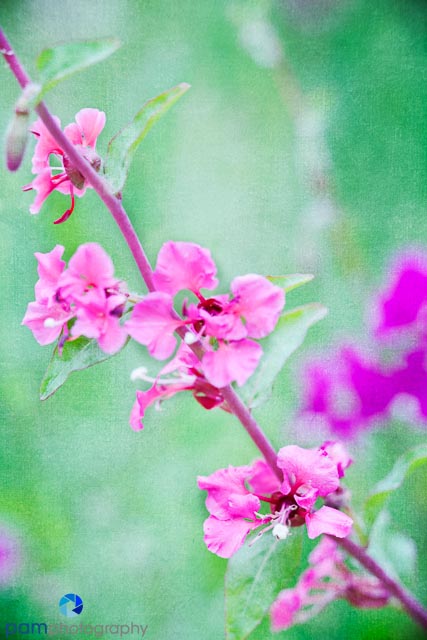



 pamphotography
Leave a comment