
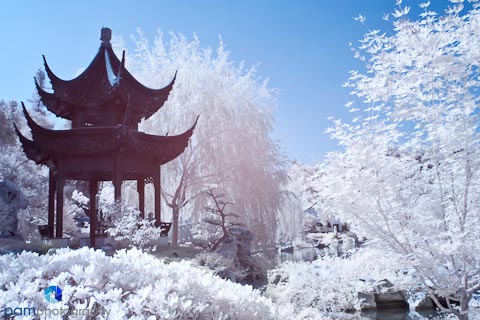

Different interpretation of commonly seen scenery
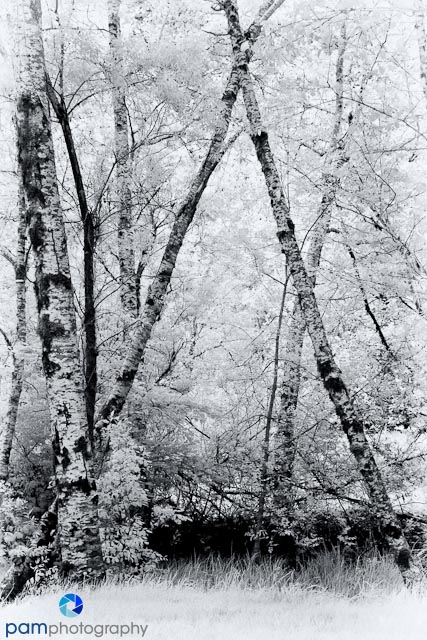
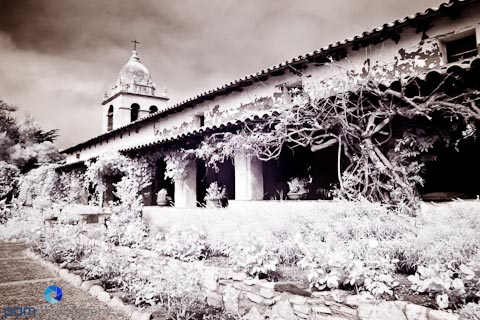
Using my infrared camera is like tapping into a wormhole of a parallel universe – one where the foliage can be white, yellow, or pink depending on the light, and the skies can be a rich unique blue or even black. The first time I had my infrared camera was on a recent trip to Oregon, where I intentionally took every photo with both my color camera and my infrared camera to learn more about it’s application. I found (and still do) that I prefer my infrared images more – they are just really different.
It’s unexpected….almost surprising
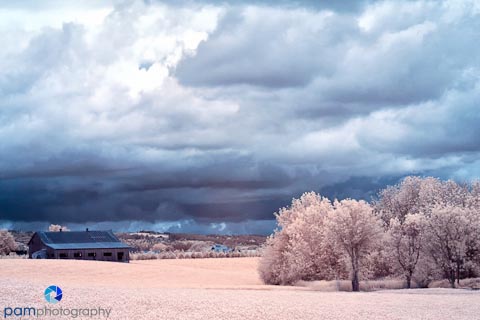
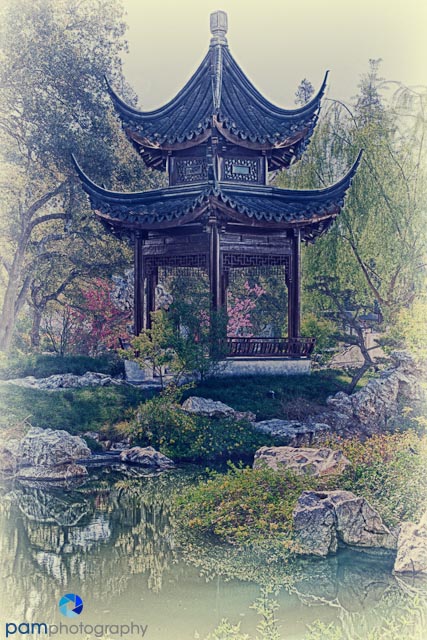
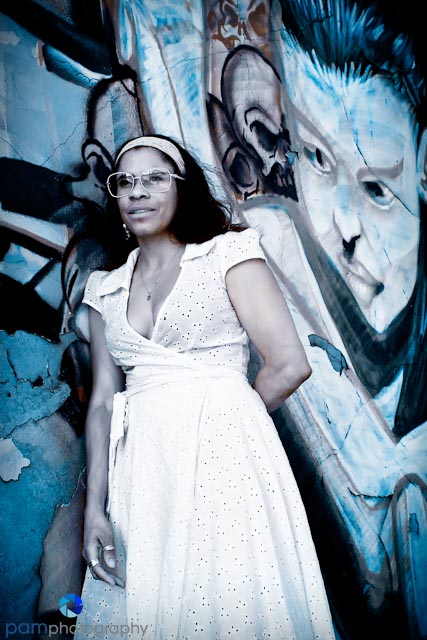
It’s the difference that makes them surprising, unexpected, and attention grabbing. I think they make you pause and ask “what’s really going on here”. Take these images of the Chinese Garden at the Huntington. I think we have all seen something similar in our common experience, and perhaps have seen some creative color interpretations like the one I have below. But the infrared version really causes me to pause. It almost looks like it’s snowed….but not quite. Or look at the photo of my very patient friend. I had no idea of the superman like tendencies to see through things until after I took this image – you can see her eyes right through her glasses.
Opens up new avenues for creativity in terms of capture and processing
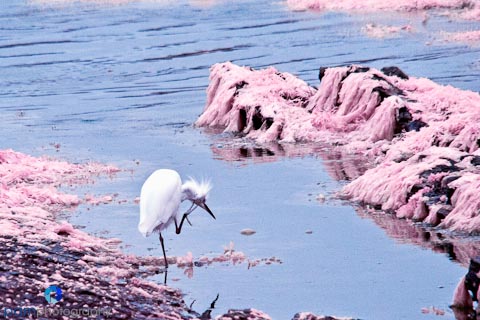
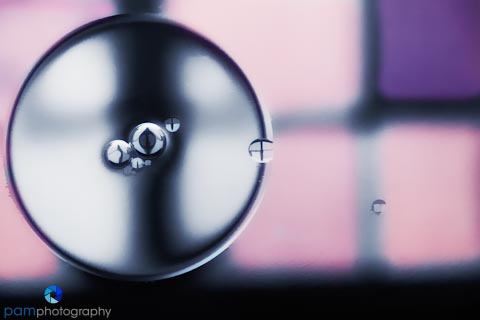
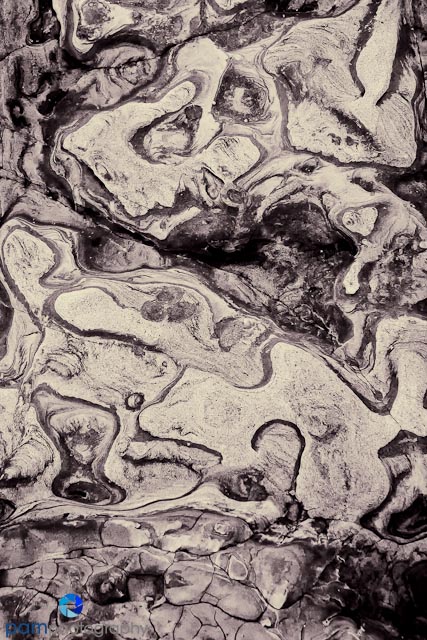
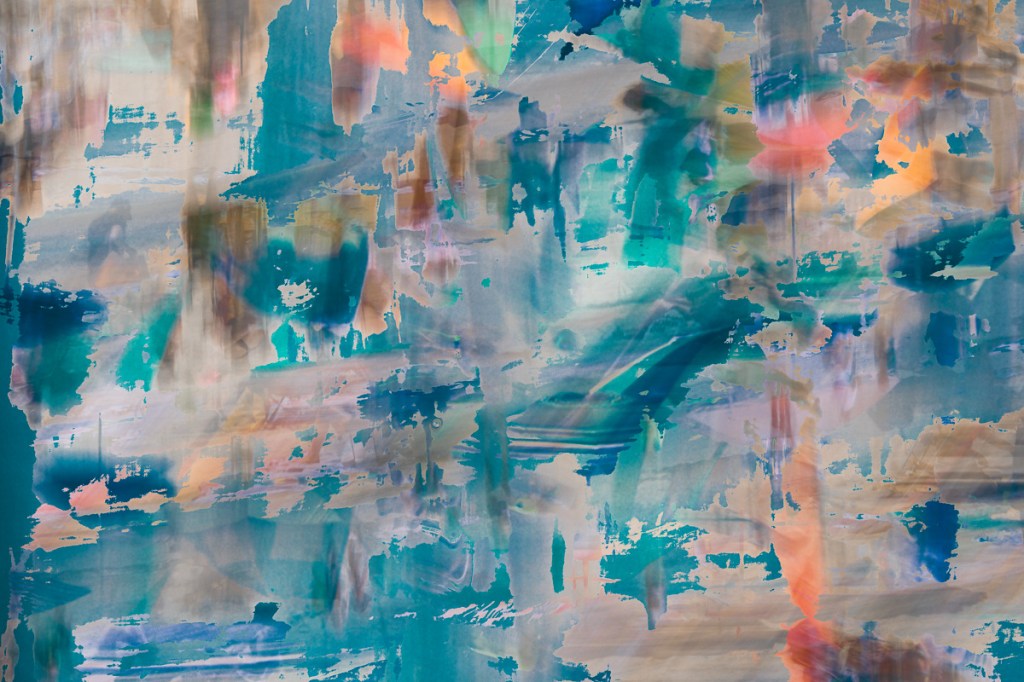
Peter knows that I’m a software junkie. I love playing around with special effects, and creative interpretations of my images. I recently purchased Topaz Lab’s Black and White software. It has some color functionality which works well with my infrared images. It allows me to pick up some of the unusual colors captured with my enhanced infrared camera (my latest infrared camera picks up some of the color spectrum in addition to the infrared light). I can spend hours playing with my images, blending a black and white copy with a color copy to get an interesting toning scheme as seen in the image of the egret on the lake; or really pushing the effect by re-introducing some color as seen in the abstract of an oil drop floating on water.

Rich black and whites
All the creative playing aside, infrared images provide a richer transformation into pure black and white. Clouds are more vibrant, blacks are richer, and textures are more pronounced. Green foliage becomes white in infrared black and white photographs, which is unexpected and adds additional contrast.
I can actually be a middle of the day nature photographer and get respectable results
Anyone who knows me, knows I like to sleep. Getting up before sunrise is grueling, running around all day and staying up well after sunset…….well, I just get cranky. Our good friend Jack Graham always teases me about building a niche and being a nature photographer that only shoots between the hours of 10:00 am and 2:00 pm (for those of you who shoot, the light can be fairly harsh during those hours). I found that this is prime time for infrared photography. I can pick up shadows and contrast better. Overcast days tend to lead toward bland results, and the soft light of pre-dawn or post-sunset isn’t really done justice (or at least I haven’t found a way yet).
If you’re interested in learning more about the nuts and bolts of infrared (conversion, techniques, processing, etc) just let me know and I’ll write a follow-up.



 pamphotography
Leave a comment